Building Strong Teamwork and Collaboration Skills
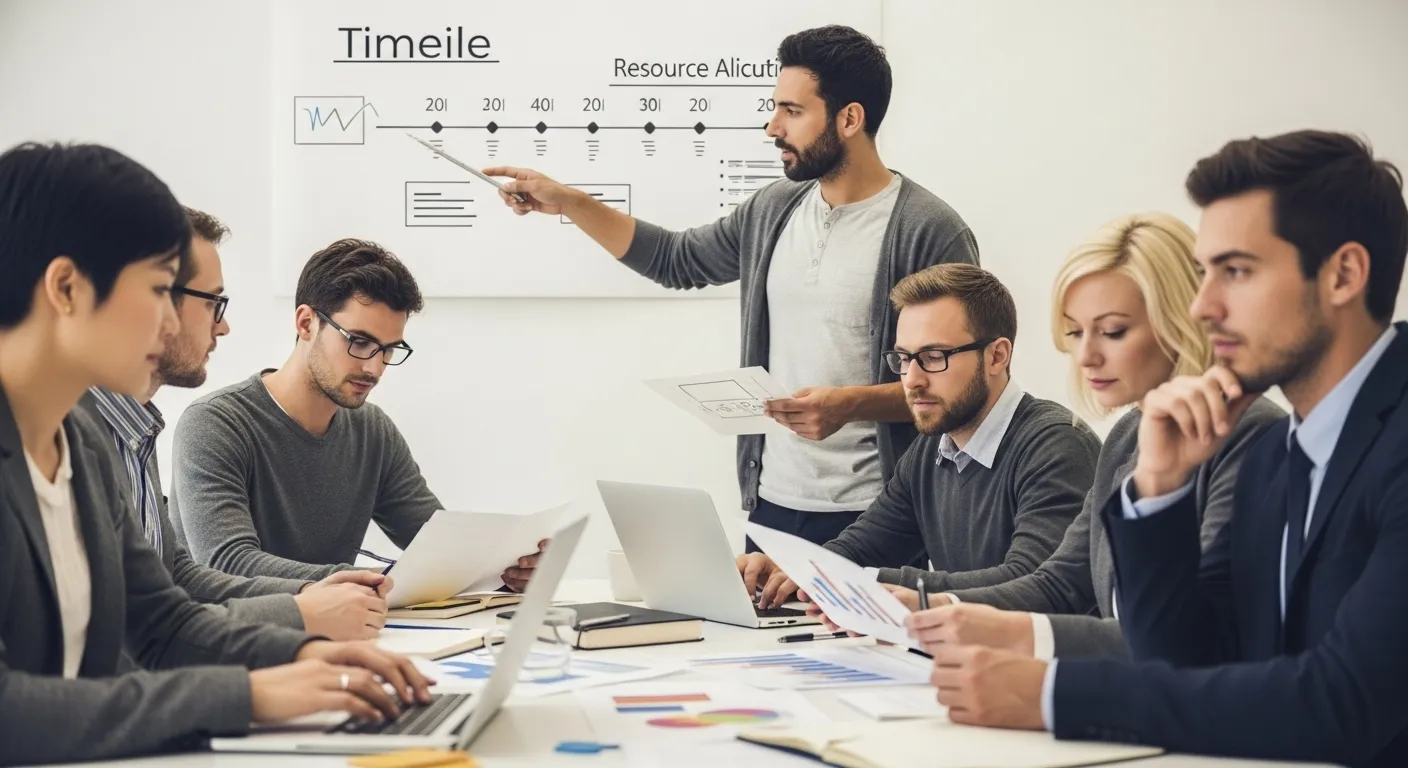
Building Strong Teamwork and Collaboration Skills: A Foundation for Success
In today's fast-paced professional landscape, the ability to work effectively with others is no longer just a desirable trait—it's a critical requirement for success. Building strong teamwork and collaboration skills is paramount for individuals and organizations alike, driving innovation, efficiency, and overall project success. This article delves into the core principles and practical strategies for cultivating a highly collaborative environment, transforming individual efforts into collective triumphs. Whether you're a project manager, a team leader, or an individual contributor, mastering these skills will significantly enhance your professional journey and contribute to a more productive and harmonious workplace.
Key Points for Strong Teamwork and Collaboration:
- Clear Communication: Establish open and honest dialogue.
- Mutual Trust: Build psychological safety within the team.
- Shared Vision: Align on common goals and objectives.
- Conflict Resolution: Address disagreements constructively.
- Inclusive Environment: Value diverse perspectives and contributions.
Understanding the Core of Strong Teamwork and Collaboration Skills
At its heart, strong teamwork and collaboration involve a group of individuals working interdependently to achieve a common goal. It's about more than just dividing tasks; it’s about synthesizing diverse talents, perspectives, and efforts into a cohesive whole. In the realm of Project Management Fundamentals, understanding these dynamics is crucial for steering projects to successful completion.
What Defines Effective Teamwork?
Effective teamwork is characterized by several key elements. Firstly, there's a clear understanding of roles and responsibilities, ensuring everyone knows their contribution. Secondly, it involves proactive and open communication, where ideas are shared freely, and feedback is constructive. Thirdly, a high degree of mutual respect and trust forms the bedrock, allowing team members to feel safe in expressing opinions and taking calculated risks. Finally, effective teams possess a shared commitment to the collective objective, prioritizing group success over individual accolades.
Why is Collaboration Crucial in Today's Landscape?
The modern work environment, increasingly defined by remote and hybrid models, amplifies the need for robust collaboration skills. Geographically dispersed teams rely heavily on digital tools and intentional strategies to maintain cohesion and productivity. A 2024 report by the Project Management Institute (PMI) indicated that projects with highly collaborative teams are 30% more likely to meet their goals and stay within budget, highlighting the tangible benefits. Furthermore, complex problems often require multidisciplinary approaches, making the ability to integrate varied expertise through effective team collaboration indispensable. This shift underscores that building strong teamwork and collaboration skills isn't just an advantage; it's a necessity for organizational resilience and innovation.
Foundational Pillars for Fostering Teamwork
To truly excel at building strong teamwork and collaboration skills, certain foundational pillars must be firmly established. These elements create an environment where individuals feel empowered to contribute their best.
Clear Communication Channels
Effective communication is the lifeblood of any successful team. It involves not just speaking, but also active listening and providing timely, constructive feedback. Teams should establish clear channels for information exchange, whether through regular stand-up meetings, dedicated communication platforms, or structured documentation. Misunderstandings often stem from poor communication, making it vital to clarify expectations and ensure everyone is on the same page. Implementing tools that facilitate seamless interaction, such as shared project management software, can significantly boost communication efficiency. For more information on this topic, readers can explore related articles on communication strategies in project management.
Cultivating Trust and Psychological Safety
Trust is the bedrock upon which all successful collaboration is built. When team members trust each other, they are more willing to share ideas, admit mistakes, and take calculated risks without fear of reprisal. A study published in the Harvard Business Review in 2023 emphasized that psychological safety is the strongest predictor of team effectiveness, enabling teams to learn from failures and innovate faster. Leaders play a crucial role in fostering this by demonstrating vulnerability, encouraging open dialogue, and addressing conflicts constructively rather than punitively. Creating an environment where diverse perspectives are not just tolerated but actively sought and valued is key to building this trust.
Shared Vision and Goals
A team without a shared vision is like a ship without a rudder. For effective team collaboration, every member must understand the overarching goal and how their individual contributions feed into that collective success. Project managers should articulate the vision clearly and consistently, ensuring that team members feel a sense of ownership and purpose. Regularly revisiting and reaffirming these goals helps maintain alignment, especially during long projects or when facing unexpected challenges. This shared understanding acts as a powerful motivator, unifying efforts and driving the team towards common objectives.
Practical Strategies for Building Collaboration Skills
Beyond the foundational pillars, specific strategies can be implemented to actively enhance and refine collaboration skills within a team. These actionable steps contribute directly to building strong teamwork and collaboration skills in a practical sense.
Empowering Leadership and Delegation
Effective leadership is about more than just giving orders; it's about empowering team members and delegating tasks strategically. Leaders who trust their teams to take ownership of their responsibilities foster a sense of autonomy and accountability. This doesn't mean abandoning oversight, but rather providing the necessary resources and support while allowing individuals to find their own solutions. Strategic delegation not only lightens the leader's load but also develops the skills and confidence of team members, leading to a more resilient and capable collective. This approach is fundamental to Project Management Fundamentals, ensuring efficient resource allocation and skill development.
Embracing Diversity and Inclusion
A truly collaborative environment thrives on diversity. This includes diversity of thought, background, experience, and even neurodiversity. Teams composed of individuals with varied perspectives are better equipped to solve complex problems and generate innovative solutions. Actively promoting an inclusive culture where every voice is heard and respected is vital. For example, a 2025 report on organizational psychology highlighted that teams with high neurodiversity often demonstrate superior problem-solving capabilities due to varied cognitive approaches. Leaders should proactively seek out and integrate different viewpoints, ensuring that all team members feel valued and have an equal opportunity to contribute. This commitment to inclusion is a powerful strategy for improving communication skills and fostering teamwork.
Effective Conflict Resolution Techniques
Conflict is an inevitable part of any team dynamic, but it doesn't have to be destructive. In fact, constructive conflict can lead to better decisions and stronger relationships. The key is to equip teams with effective conflict resolution techniques. This involves:
- Active Listening: Understanding the other party's perspective without interruption.
- Focusing on Issues, Not Personalities: Addressing the problem at hand, not attacking individuals.
- Seeking Common Ground: Identifying shared interests or goals that can lead to a mutually beneficial solution.
- Mediation: When necessary, involving a neutral third party to facilitate dialogue.
By approaching disagreements with a problem-solving mindset, teams can transform potential roadblocks into opportunities for growth and deeper understanding, ultimately strengthening team synergy.
Measuring and Enhancing Team Collaboration
To ensure continuous improvement in building strong teamwork and collaboration skills, it's essential to measure progress and implement feedback loops. This allows teams to identify areas of strength and opportunities for growth.
Regular team retrospectives or post-project reviews are excellent opportunities to assess collaboration effectiveness. Key metrics might include:
- Project completion rates and adherence to deadlines.
- Team member satisfaction and engagement scores.
- Quality of deliverables and innovation generated.
- Frequency and effectiveness of internal communication.
Based on these assessments, teams can collectively identify specific areas for improvement, such as enhancing communication tools or refining conflict resolution processes. This commitment to continuous improvement ensures that strategies for improving team collaboration are always evolving and adapting to the team's needs.
FAQ Section
Q1: What are the biggest benefits of strong teamwork in the workplace?
Strong teamwork in the workplace leads to numerous benefits, including increased productivity, enhanced problem-solving capabilities, and greater innovation. Teams that collaborate effectively often achieve higher quality outcomes and meet project deadlines more consistently. Furthermore, a collaborative environment fosters a sense of belonging and psychological safety, which in turn boosts employee morale and reduces turnover. It also allows for a better distribution of workload and leveraging diverse skill sets, contributing to overall organizational success.
Q2: How can a leader foster a more collaborative environment?
Leaders can foster a more collaborative environment by setting clear expectations, promoting open communication, and modeling collaborative behaviors themselves. This involves actively listening, providing constructive feedback, and empowering team members through strategic delegation. Creating opportunities for team building, celebrating collective successes, and addressing conflicts constructively are also vital. Ultimately, a leader must cultivate trust and psychological safety, ensuring every team member feels valued and safe to contribute their ideas.
Q3: What role does communication play in building strong teamwork?
Communication is the cornerstone of building strong teamwork and collaboration skills. It ensures that all team members are aligned on goals, understand their roles, and can effectively share information and ideas. Clear, consistent, and open communication prevents misunderstandings, facilitates problem-solving, and builds trust. Without effective communication channels, even the most talented individuals can struggle to work cohesively, leading to inefficiencies and missed opportunities. It's about both transmitting and actively receiving messages.
Q4: How can individual contributors improve their collaboration skills?
Individual contributors can improve their collaboration skills by actively participating in discussions, practicing active listening, and offering constructive feedback. Taking initiative to help teammates, being open to different perspectives, and proactively sharing knowledge are also crucial. Developing strong emotional intelligence, managing personal biases, and being reliable in commitments significantly contribute to being a valuable team player. Seeking opportunities to cross-train or learn about other team members' roles can also enhance understanding and empathy.
Conclusion: Cultivating a Culture of Collaboration
Building strong teamwork and collaboration skills is an ongoing journey, not a destination. It requires continuous effort, intentional strategies, and a commitment from every member of the team. By focusing on clear communication, fostering trust, aligning on shared goals, and embracing diversity, organizations can unlock the full potential of their human capital. The benefits of strong teamwork in the workplace—from enhanced productivity to groundbreaking innovation—are undeniable and essential for navigating the complexities of the modern business world.
We encourage you to share your experiences and strategies for effective team collaboration in the